
Tools for Life Beyond the Therapy Room
Madison’s Bookshelf
A collection of books I recommend for learning more about mental health, relationships, and the mind-body connection.
Anxiety:
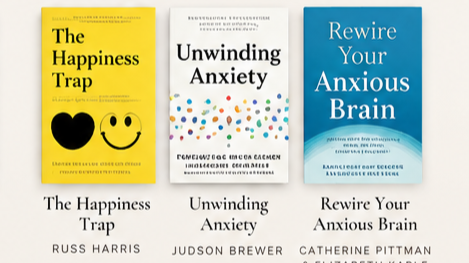
***The Happiness Trap — Russ Harris
Unwinding Anxiety — Judson Brewer
Rewire Your Anxious Brain — Catherine Pittman & Elizabeth Karle
Trauma / EMDR:
***What Happened to You? — Bruce Perry & Oprah Winfrey
What My Bones Know — Stephanie Foo
The Boy Who Was Raised as a Dog — Bruce D. Perry & Maia Szalavitz
Self-Compassion:
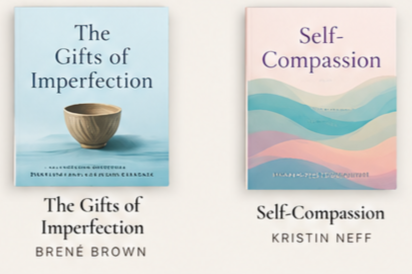
The Gifts of Imperfection — Brené Brown
Self-Compassion — Kristin Neff

OCD / ERP:
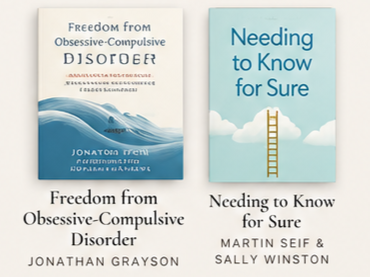
Freedom from Obsessive-Compulsive Disorder — Jonathan Grayson
Needing to Know for Sure — Martin Seif & Sally Winston
Brain / Body Health:
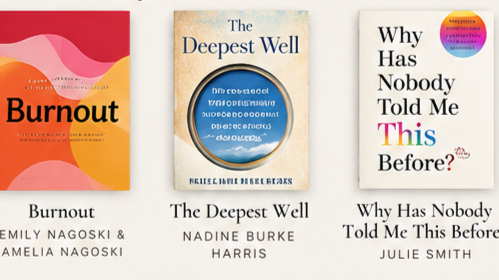
Burnout — Emily Nagoski & Amelia Nagoski
The Deepest Well — Nadine Burke Harris
Why Has Nobody Told Me This Before? — Julie Smith
The Joy of Movement — Kelly McGonigal
Relationships / Attachment:
Attached — Amir Levine & Rachel Heller
Hold Me Tight — Sue Johnson
Set Boundaries, Find Peace — Nedra Glover Tawwab

Teens / Parents:
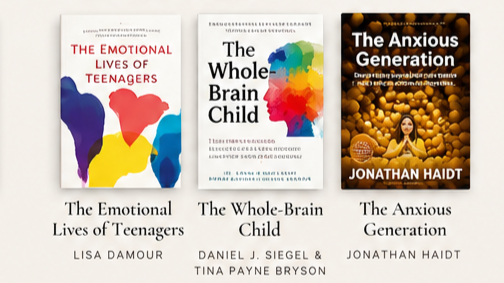
The Emotional Lives of Teenagers — Lisa Damour
The Whole-Brain Child — Daniel J Siegel & Tina Payne Bryson
***The Anxious Generation — Jonathan Haidt
Self-Assessments & Screeners
**These screening tools are provided for educational purposes and are not a substitute for a professional evaluation or diagnosis. Results may help you better understand what you’re experiencing and identify areas you may want to discuss with a qualified mental health professional.**
-
A brief screening tool that helps you identify the presence and severity of common anxiety symptoms.
A brief screening tool designed to identify thoughts and behaviors that may be associated with obsessive-compulsive disorder (OCD).
Social Anxiety — Social Phobia Inventory (SPIN)
A screening tool that explores fear, avoidance, and discomfort in social situations.
Explores the frequency and impact of panic attacks, anxiety about future attacks, avoidance, and interference with daily life.
-
A brief screening tool that helps you identify and understand the severity of common symptoms of depression. (Important: The PHQ-9 is a screening tool and is not intended to provide a diagnosis. If you are experiencing thoughts of harming yourself or feel that you may be in immediate danger, call or text 988 for the Suicide & Crisis Lifeline or call 911 in an emergency.)
-
A brief screening tool that helps identify symptoms that may be related to trauma or post-traumatic stress disorder (PTSD).
Adverse Childhood Experiences — ACE Questionnaire
Explores potentially stressful or traumatic experiences during childhood that may have influenced your development and well-being.
-
Attachment Style- THE EXPERIENCES IN CLOSE RELATIONSHIPS-REVISED (ECR-R) QUESTIONNAIRE
Explores patterns related to closeness, trust, independence, and emotional connection within relationships.
Sleep — Insomnia Severity Index (ISI)
A brief assessment of sleep difficulties and how much they may be affecting your daily life.
ADHD — Adult ADHD Self-Report Scale (ASRS)
A brief screening tool that explores common adult ADHD symptoms related to attention, organization, impulsivity, and restlessness.
Free resources to help you better understand yourself, build practical coping skills, and put what you’re learning into practice.
These therapist-created worksheets and guides are designed to support you as you navigate anxiety, OCD, trauma, emotions, relationships, and everyday stress—whether you’re currently in therapy or simply looking for a place to start.
Explore Free Resources ↓
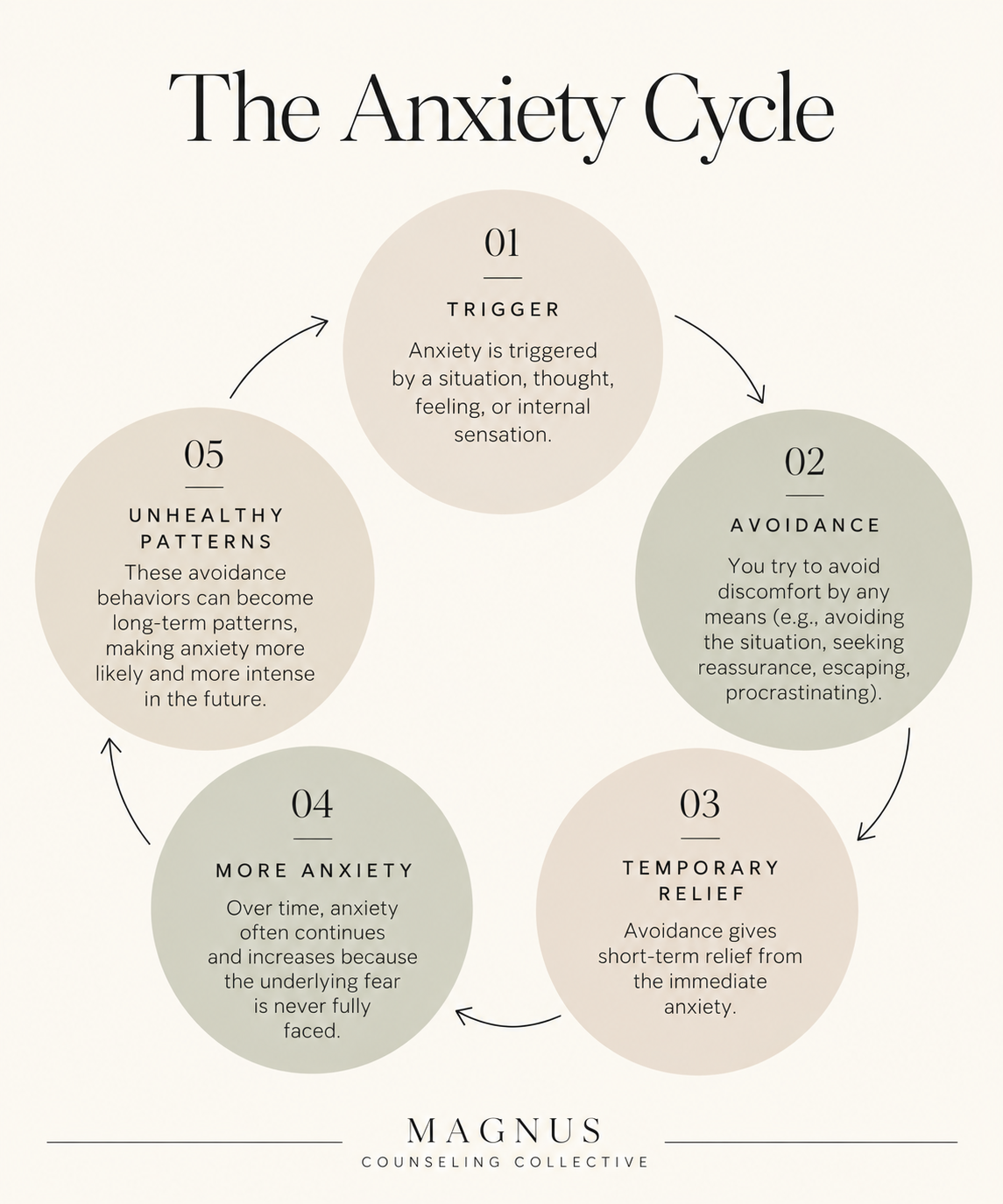
Cycle of Anxiety
Learn how anxiety can become a self-reinforcing cycle of avoidance and temporary relief. This infographic breaks the anxiety cycle into five simple steps to help you recognize patterns and begin responding differently.
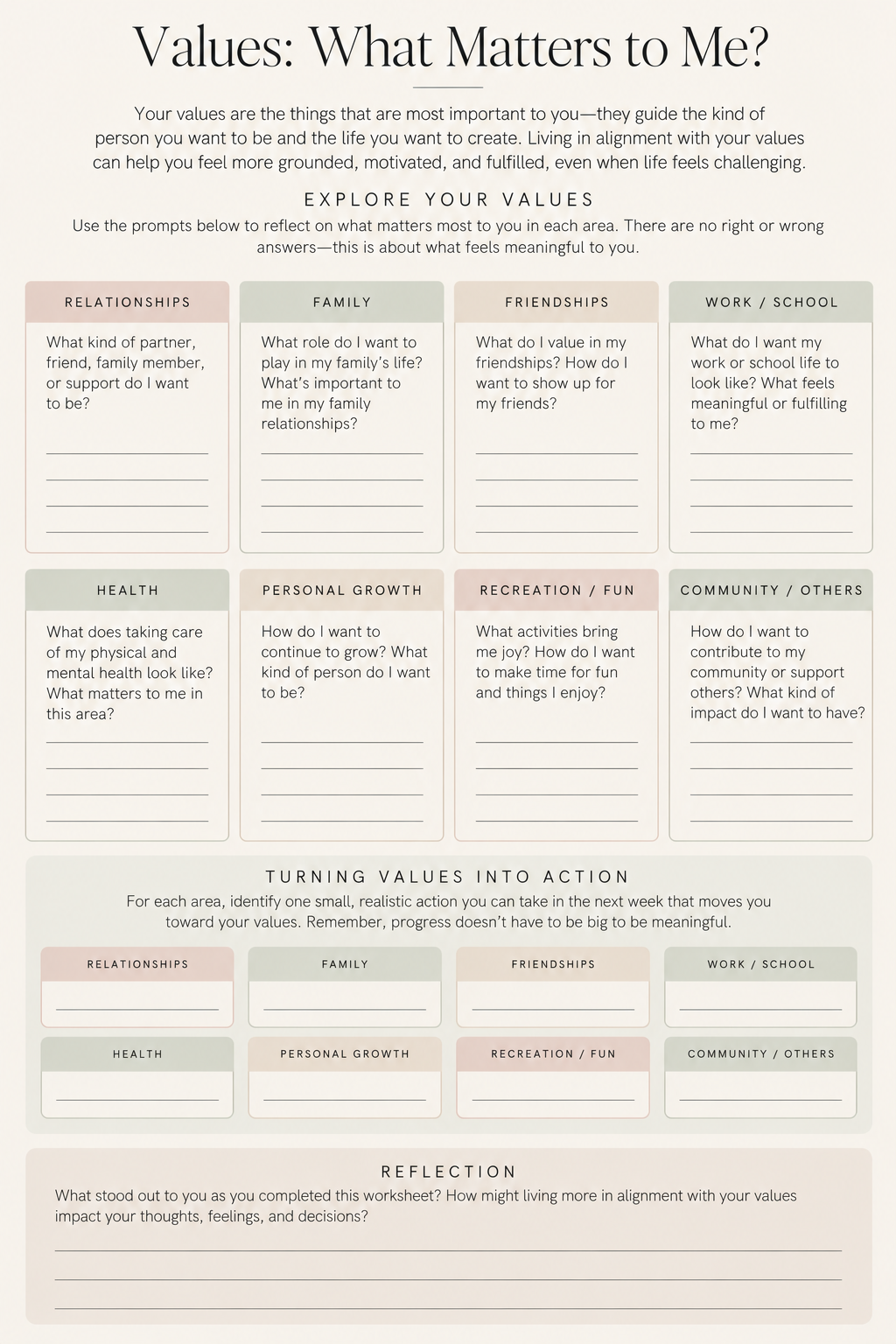
Values Identification
Explore what matters most to you, clarify your personal values, and identify small, meaningful actions that can help you live more in alignment with them.
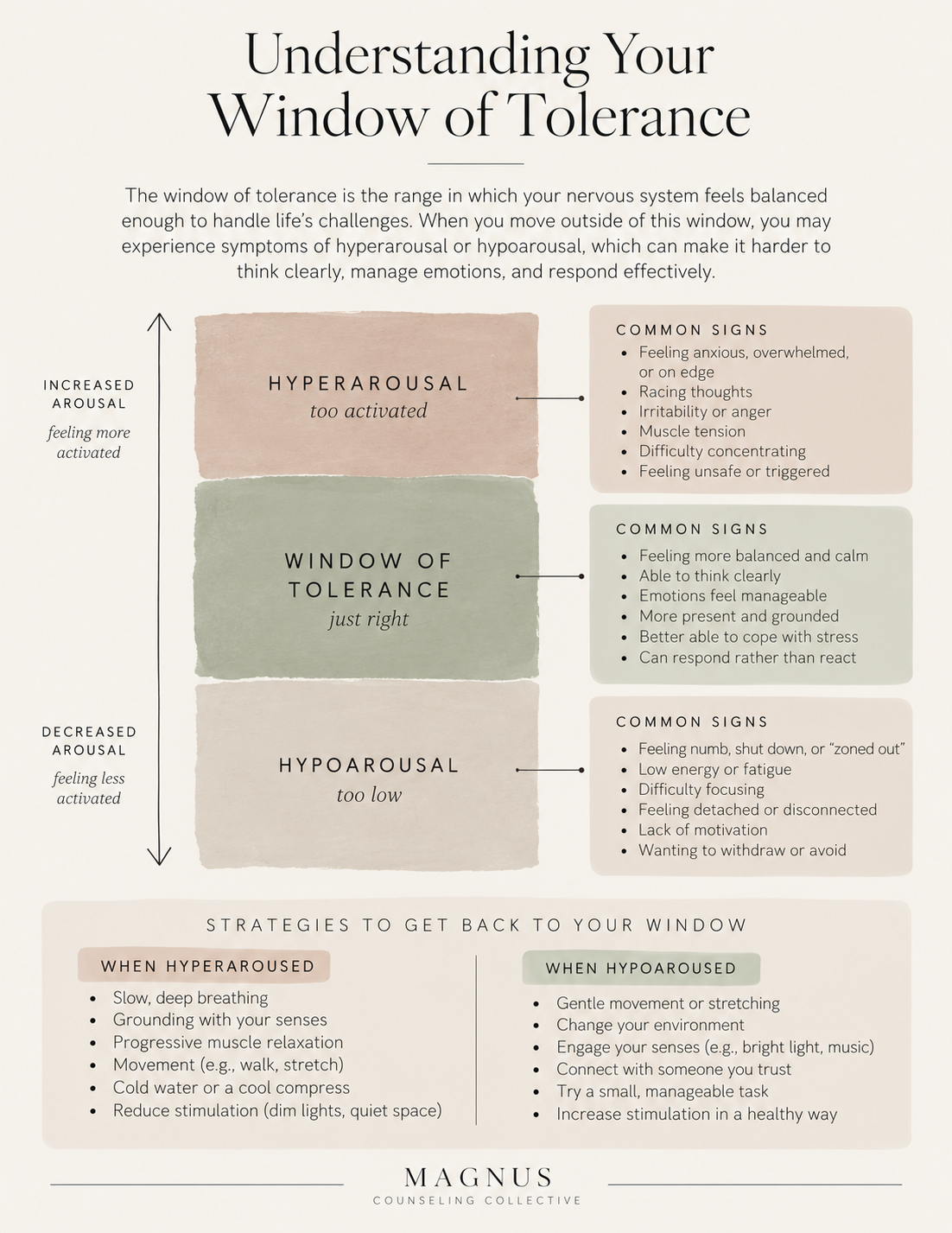
Window of Tolerance
Understand your Window of Tolerance, recognize signs of hyperarousal and hypoarousal, and learn simple strategies to help your nervous system return to balance.
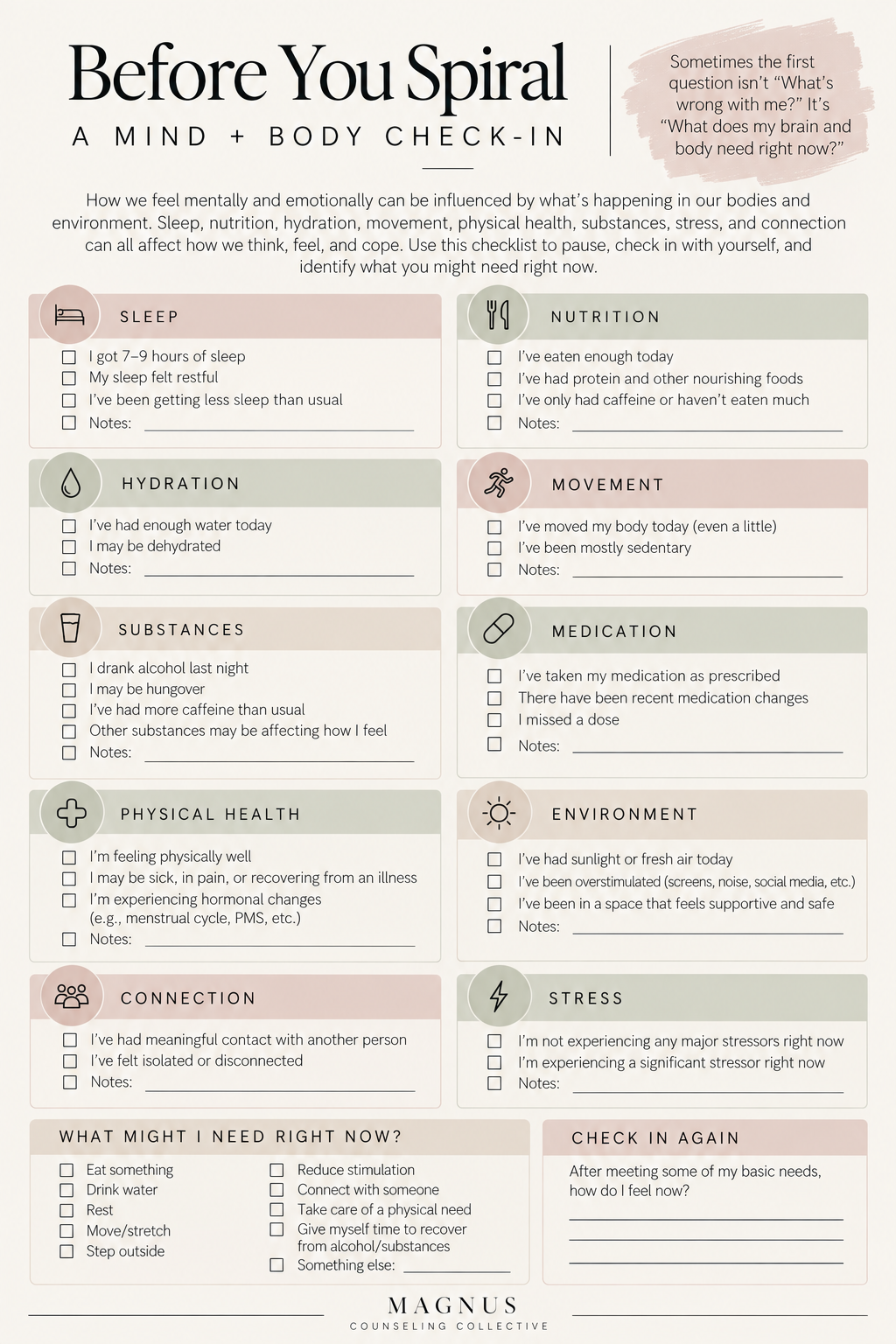
Before You Spiral: A Mind + Body Check-In
Explore what matters most to you, clarify your personal values, and identify small, meaningful actions that can help you live more in alignment with them.
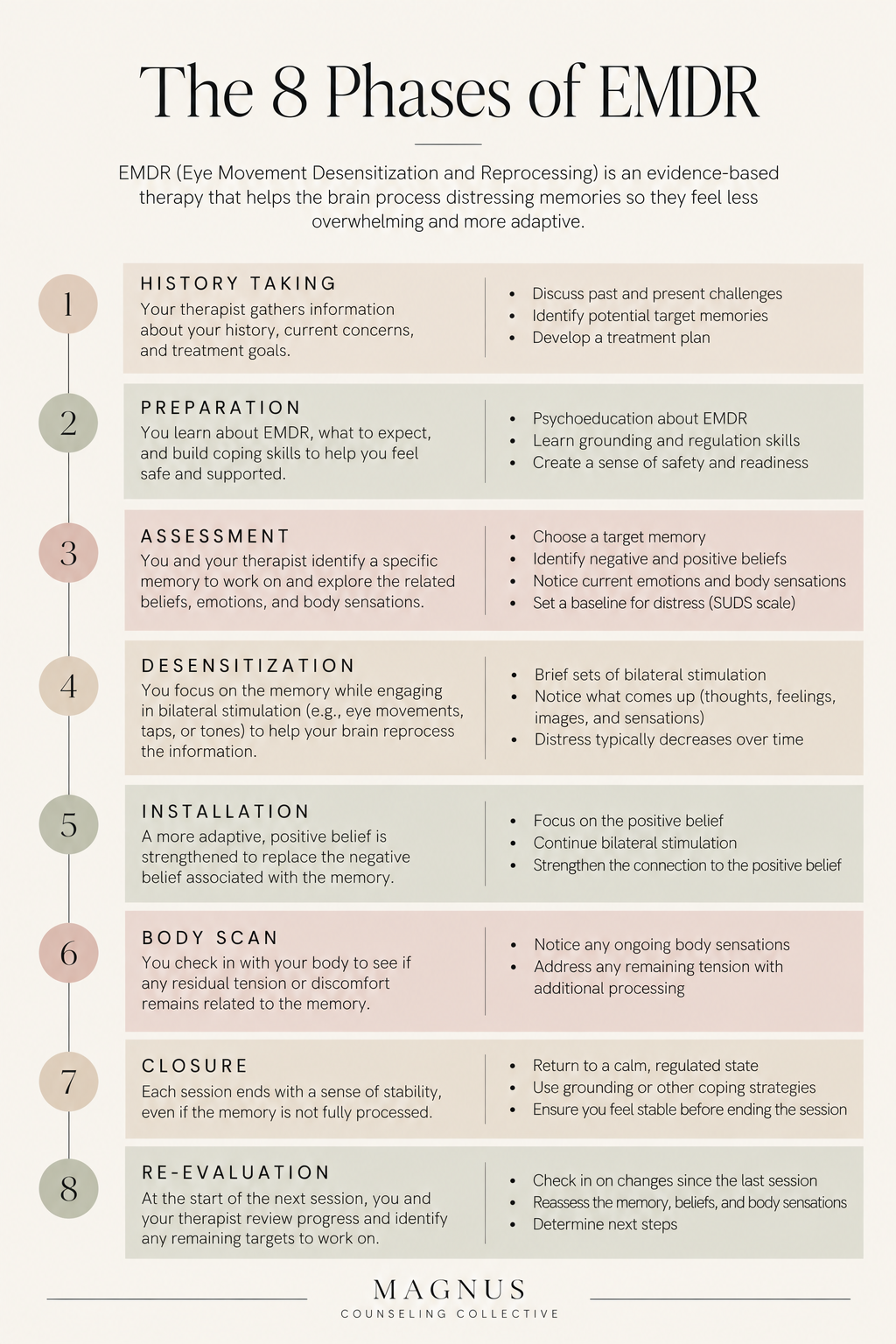
The 8 Phases of EMDR
Learn what to expect from EMDR therapy with a simple overview of the eight phases, from preparation and assessment through processing, closure, and re-evaluation.
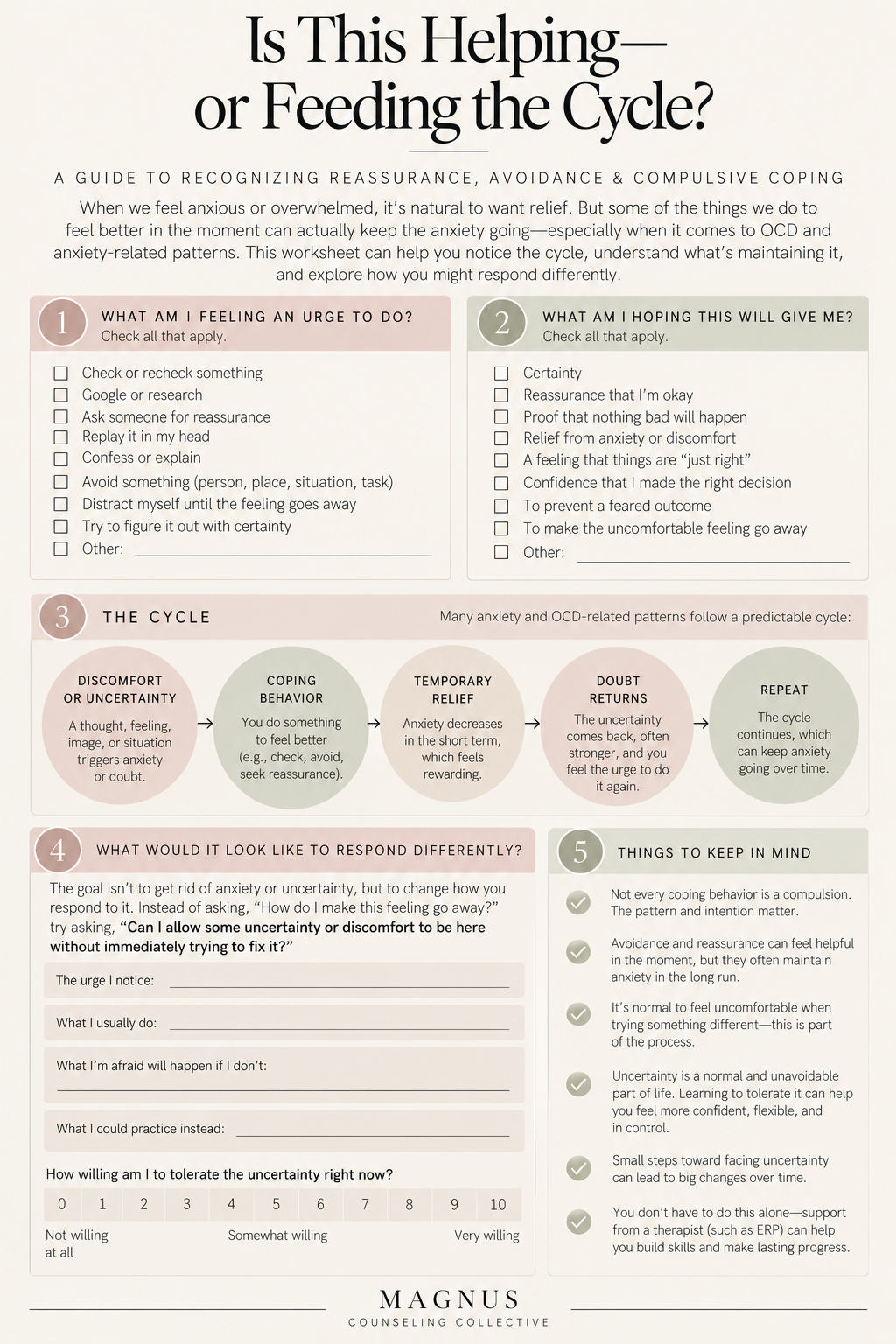
Is This Helping—or Feeding the Cycle?
A guide to recognizing reassurance, avoidance & compulsive coping
** For educational purposes only. These resources are not a substitute for individualized mental health care and do not establish a therapist-client relationship with Magnus Counseling Collective.